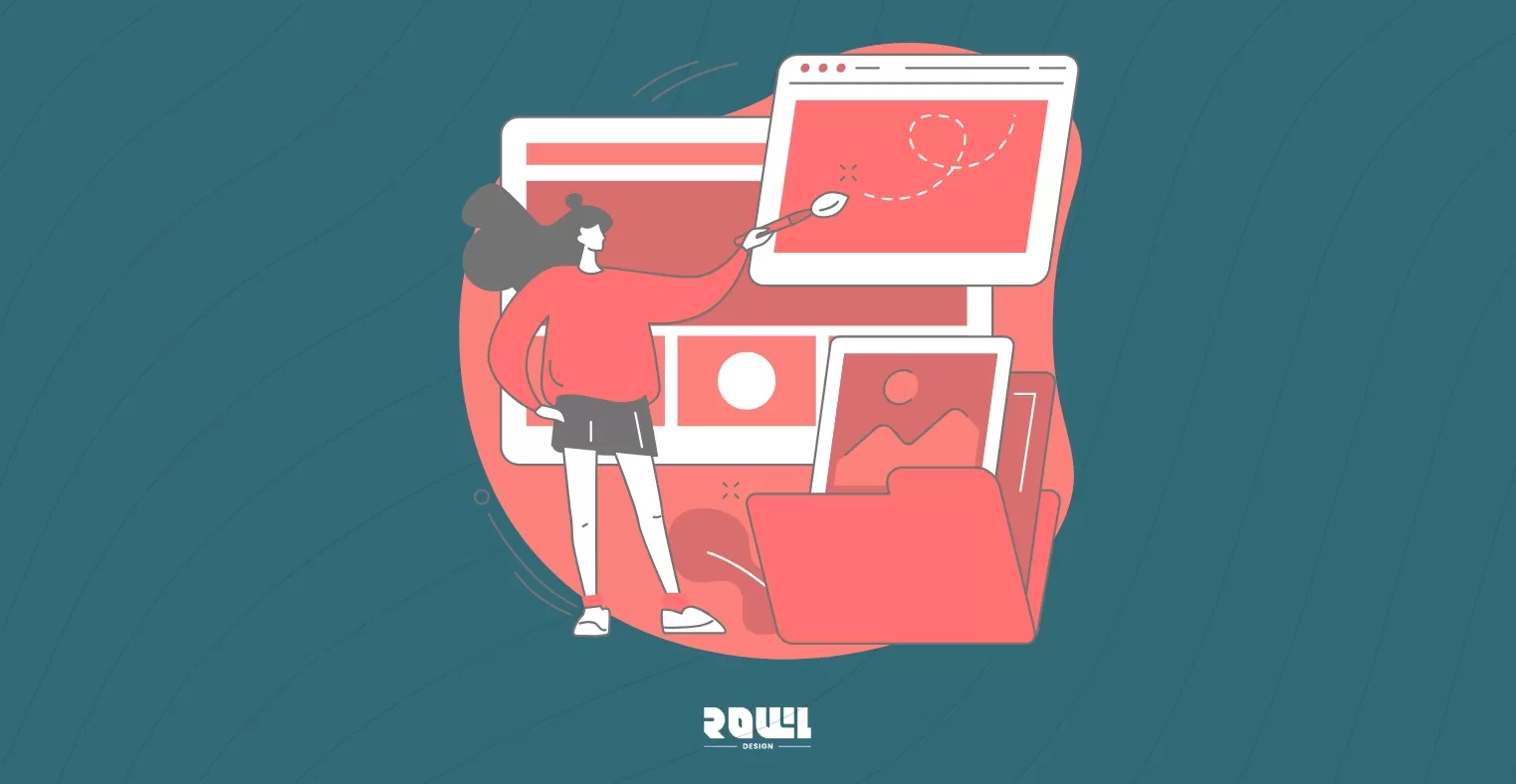
When you hear the word "design," what comes to mind?
Is it a logo, a poster, or an app interface?
In truth, the world of design is far broader than you might imagine. It's like a comprehensive professional toolkit, where each tool has its unique purpose—solving different problems and engaging with the world in diverse ways.
At ROLLLL DESIGN, we wield these tools every single day.
Now, let's explore this fascinating creative universe together and see how each facet subtly shapes your perception of the world.
1. Graphic Design: The "Translator" of the Visual World
This is likely the most familiar face of design to you. The core mission of graphic design is "visual communication"—transforming abstract messages, complex data, or even an emotion into images and text combinations that are instantly understandable to the eye.
It exists in every corner of your life: subway station maps, infographics on your phone, step-by-step diagrams in product manuals.
Effective graphic design allows people to grasp key points instantly, saving thousands of words. In our graphic design services, professional graphic design is the key to ensuring your brand and products speak clearly and stand out amidst the flood of information.
2. Interface Design: The "Architect" of Website/App Spaces
Ever wonder why some apps feel effortlessly intuitive while others make you want to close them in frustration? The magic behind this is UI Design.
It focuses on shaping the interaction logic between digital products and users. The size, color, and placement of each button, the smoothness of transitions between pages, the step design for form filling... these details collectively build the user's "experience."
An intuitive, user-friendly interface is like a well-designed building with efficient flow—it makes people feel comfortable and productive, naturally encouraging them to stay longer. This dedication to experience is precisely the core of our deep expertise in website design and app development.
3. Brand Design: The "Shaper" of Corporate Soul
Brand design is far more than just creating a pretty logo. It's a systematic process aimed at crafting a unique "personality" and "image" for a company or product.
This personality must be expressed through a consistent visual language—from exclusive colors and typography to applied graphic styles and imagery tones. When these elements maintain high consistency across all touchpoints (business cards, websites, packaging, advertising), they build a strong and clear impression in consumers' minds.
Our VI Visual Identity Design service focuses on building this solid visual foundation for your brand, helping you establish an irreplaceable presence in the marketplace.
4. Illustration Design: The "Painter" of Stories and Emotions
When photography cannot fully express boundless creativity or when conveying unique emotions and narratives is required, illustration design takes center stage.
It is a visual art form brimming with warmth. From imaginative illustrations in children's books and lively characters in brand campaigns to diagrams explaining complex principles on tech websites, illustration strikes a chord with its powerful stylization and creativity.
It infuses cold information with warmth, makes abstract concepts approachable, and serves as the secret weapon that makes brand messages stand out and leave a lasting impression.
5. Graphic Design: The "Communication Specialist"
Graphic design is a more integrated art form. It considers how to intelligently arrange all visual elements—text, images, graphics, and white space—within limited flat surfaces (whether a sheet of paper or a screen) to achieve the most effective and aesthetically pleasing communication.
It focuses on the rhythm of the layout, the flow of reading, and the hierarchy of visual elements.
Whether it's a meticulously designed corporate annual report, an event poster that makes you pause, or a clean, impactful product catalog, graphic designers act as "curators" behind the scenes. They ensure your core message reaches your target audience in the most compelling and accurate way.
6. Color Theory: The Subconscious "Emotional Code"
Why do financial brands favor blue? Why are promotional posters always bright red? Behind these choices lies the power of color theory.
Color is the most direct emotional trigger in design. Different color combinations subtly influence people's emotions, cognition, and even behavior.
Understanding color contrast, harmony, and symbolic meanings is essential knowledge for designers to create specific atmospheres, reinforce brand personalities, and guide visual focus. This discipline elevates design from merely "attractive" to truly "effective."
7. Design Principles: The "Fundamental Rules" of Beauty and Order
Why do some visuals appear chaotic while others feel orderly and pleasing? This often hinges on the skillful application of core design principles.
These principles are the universal grammar of the creative world, such as:
a. Contrast: Creates focal points and avoids mediocrity.
b. Balance: Creates stability and harmony.
c. Repetition: Establish rhythm and unity.
d. Alignment: Establish visual connections and convey professionalism.
e. Proximity: Group related elements to clarify information structure.
Mastering these principles forms the foundation for organizing scattered elements into a clear, powerful, and easily understandable visual narrative.
8. Design Tool Proficiency: The Essential Tools for Bringing Creativity to Life
Even the best ideas need to be brought to life. In modern design workflows, mastering design tools is like a craftsman knowing his chisels and planes.
Whether it's Adobe Photoshop for image compositing, Illustrator for precise vector graphics, or InDesign for layout composition, these tools serve as extensions of the designer's mind and hands.
Mastering them means translating your mental visions into tangible reality with unparalleled efficiency and precision.
9. Product and Packaging Design: The Ultimate Vehicle for Brand Value
Finally, when design transitions from the virtual to the physical, it enters the realm of product and packaging design. This is the most intimate "skin-to-skin contact" between a brand and its consumers.
An outstanding product design must not only be visually appealing but also accurately convey the brand's values and message while balancing functionality and user experience. Packaging design, meanwhile, serves as the "silent salesperson"—it must catch the eye on the shelf, create surprise upon opening, and be cherished even after use.
We focus on creating designs that are both eye-catching and consistent inside and out, deepening consumers' affection for the brand with every touch and use.
Having come full circle, do you now see how "design" permeates every facet of commerce and communication?
It is both science and art; it demands logical thinking and emotional expression.
At ROLLLL DESIGN, our deep understanding of each of these "design languages" enables us to deliver integrated creative solutions that bridge online and offline experiences for our clients.
Whether you need to create a memorable brand logo, a sleek and user-friendly website, or compelling product packaging, we use the right design tools to tell your brand story.
Conclusion:
Design is never merely about making things look pretty.
It gives form to ideas and builds bridges for communication.
Ultimately, it makes your uniqueness clearly visible to the world.
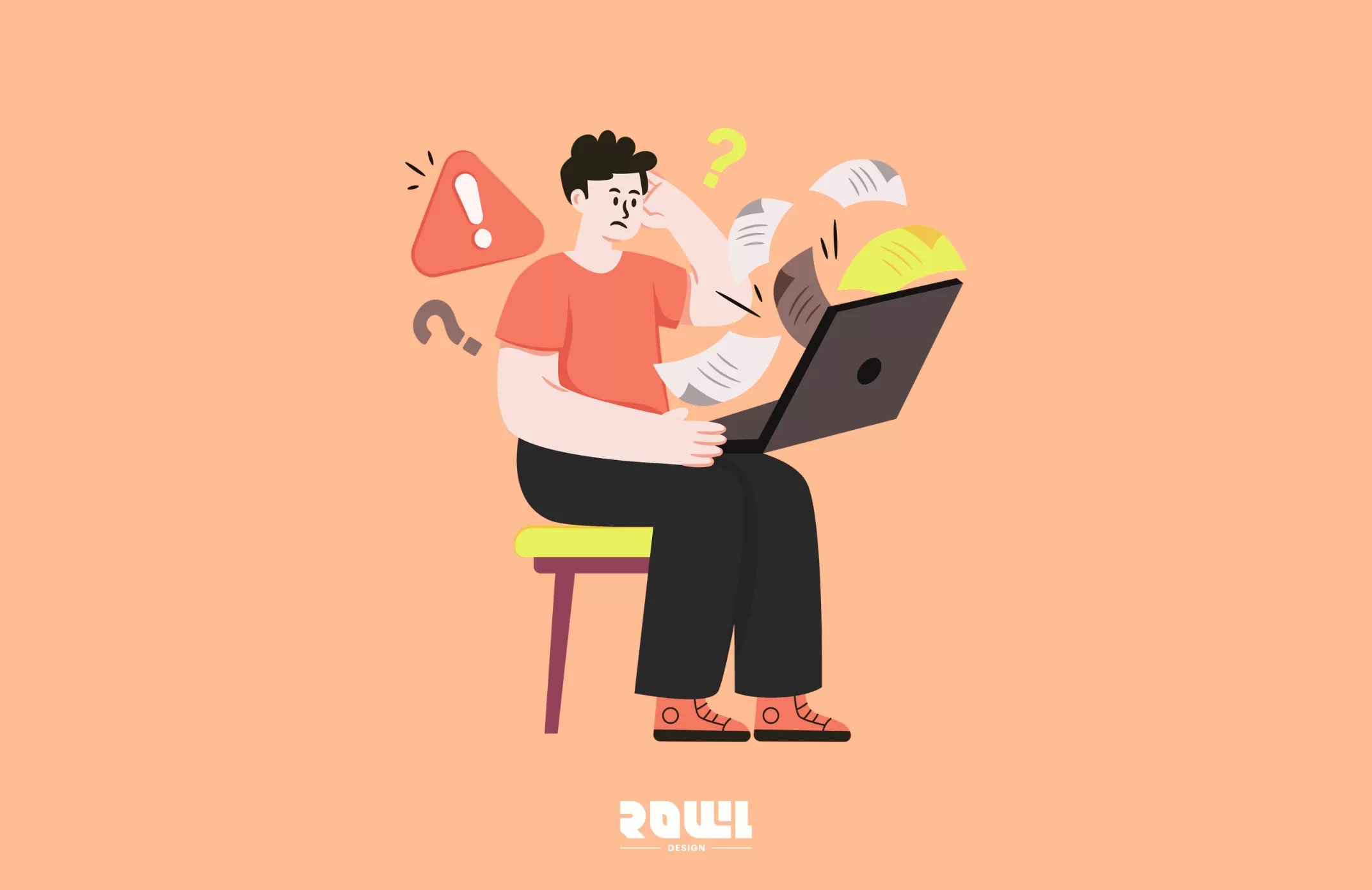
High Traffic but Zero Orders? 5 Critical Mistakes in "Website Page Design" That Are Causing You to Lose Customers
Is your website getting daily traffic, but no one is requesting quotes or placing orders? The latest conversion rate analysis for 2026 will help you identify 5 critical flaws in your “website design” that are causing you to lose customers. Improve your layout right away and turn that traffic into revenue! ...
Website Page Design , Website Traffic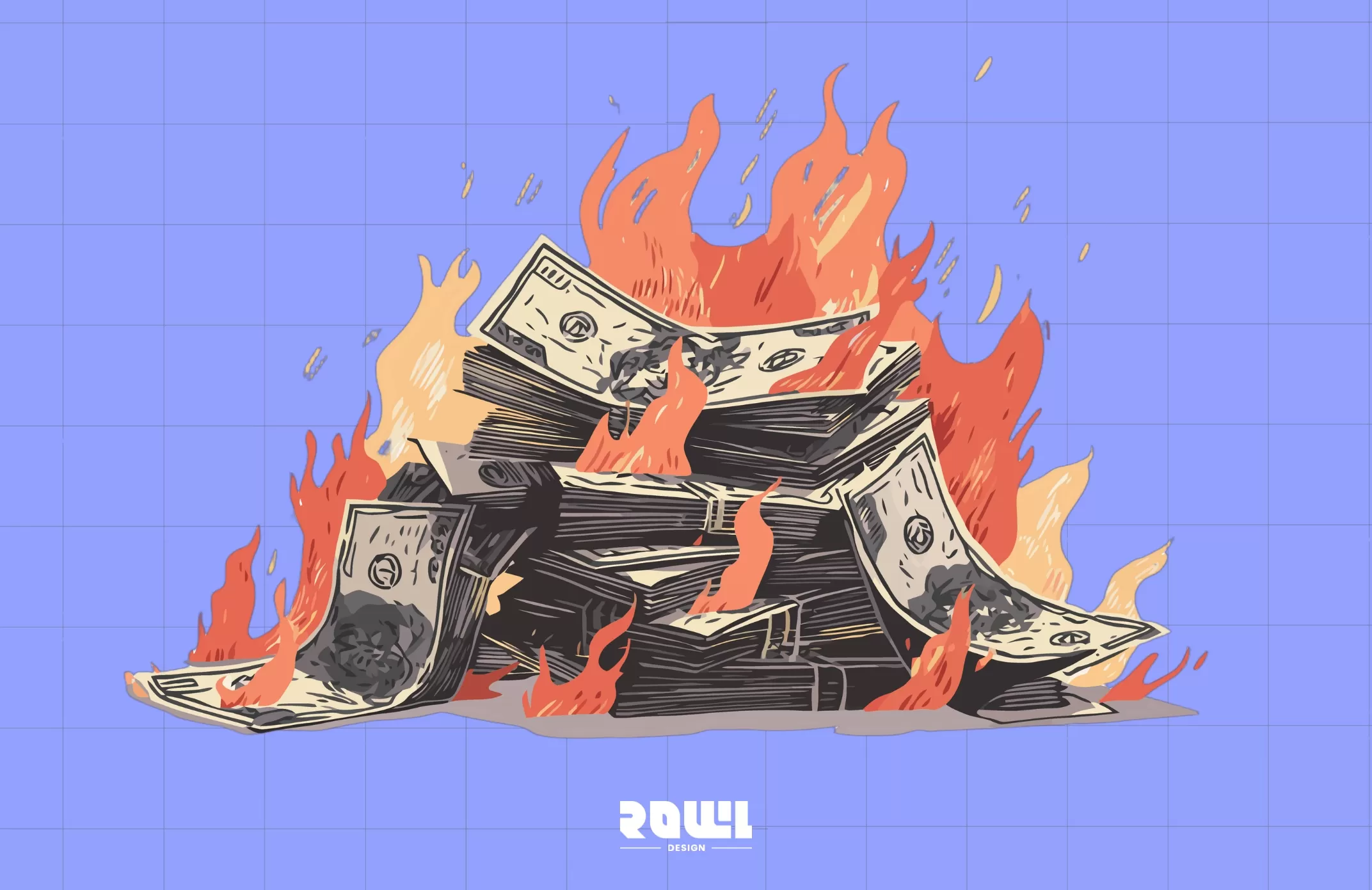
What Pitfalls Are Hidden in “Web Design Packages”? 4 Real Metrics for Evaluating Hong Kong Web Design Companies
Are “Web Design Packages” Priced at a Few Thousand Yuan Really a Good Deal? We expose common hidden fees and template traps in 2026. We’ll teach you 4 key metrics to properly evaluate Hong Kong web design companies and avoid the hassle of having to redo your website!...
Website Design Packages , Website Design Prices
2026 Corporate Website Redesign Guide: What’s the Difference Between a Custom-Designed Website and a Traditional Template-Based Website?
Does your business need a website redesign? This article breaks down the latest web design standards for 2026 and provides a practical roadmap. Learn why partnering with a professional web design agency that offers custom system development can help you move beyond cookie-cutter website packages and build a high-conversion digital asset....
Website Redesign , Website Redesign , Web DesignHelp you solve company IT transformation challenges,
All types of functional websites/Apps/systems can be created!
If you have any production needs, please contact us,
We will provide free consultation for your needs.
- # Good service ≠ More expensive
- # Professional IT team, improve website effectiveness
- # Proper planning, tailor-made IT solutions
Popular Articles
From Idea to App Store: Your 2026 App Development Roadmap
15620
The 2026 Hong Kong Digital Marketing Playbook: Your Guide to Outpacing the Competition
8511
Beyond WordPress: Understanding What Truly Defines an Enterprise CMS
6964
A Beginner's Guide to System Development: An Overview of the 7 Key Processes, Common Development Models, and Cost Components
4908
Don't let an outdated website make your company seem old-fashioned to customers
4572